
Starting in September 2023, I worked for Solving FCB as a work learn student up until the end of April 2024. This was right before I graduated from the UBC Bachelor of Arts (music major) program. I had a wonderful experience working in this role as a Communications Assistant and Content Specialist.
During this time, the program was quite new and I assisted with writing some case study overviews in addition to some news articles. Here are three case studies that I wrote overviews for along with Duncan Burnside, the Data Manager for this program and the lead researchers.
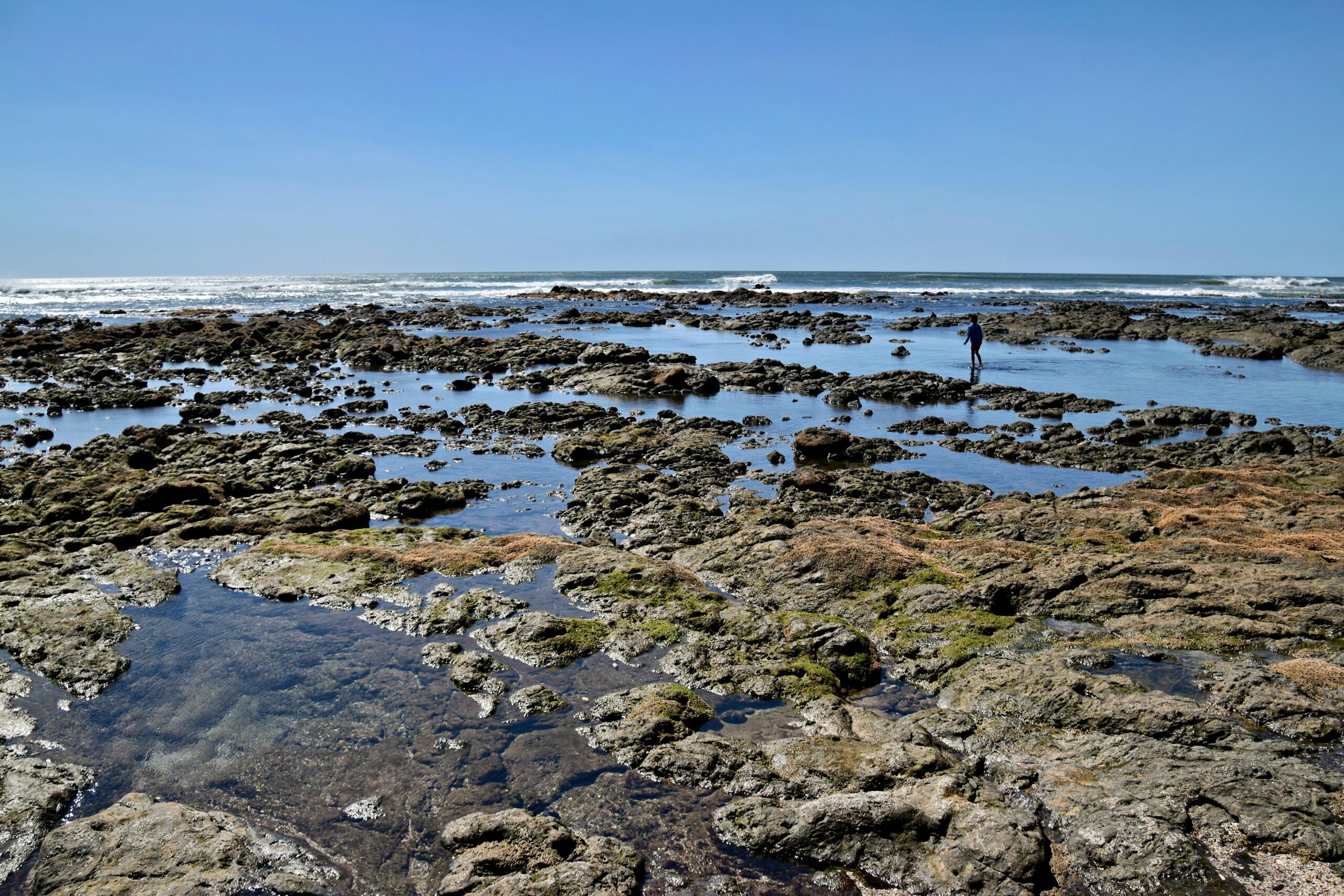
The Costa Rica Case Study examines critical environmental and socio-economic challenges facing the Gulf of Nicoya, where nutrient pollution from agricultural runoff has led to large algae blooms, coastal hypoxia (dead zones), and declining fish stocks. These factors have come together to threaten local small-scale fisheries and the food security for thousands of artisanal fishers and their families. This article explains how fertilizer-driven oxygen depletion and climate-induced changes in fish behaviour are impacting marine ecosystems. It also describes how an interdisciplinary research team from the University of Costa Rica is partnering with communities to co-develop future scenarios, models, and policy options to support sustainable fisheries and ecosystem resilience.
western Europe to balance ecological health with food production.
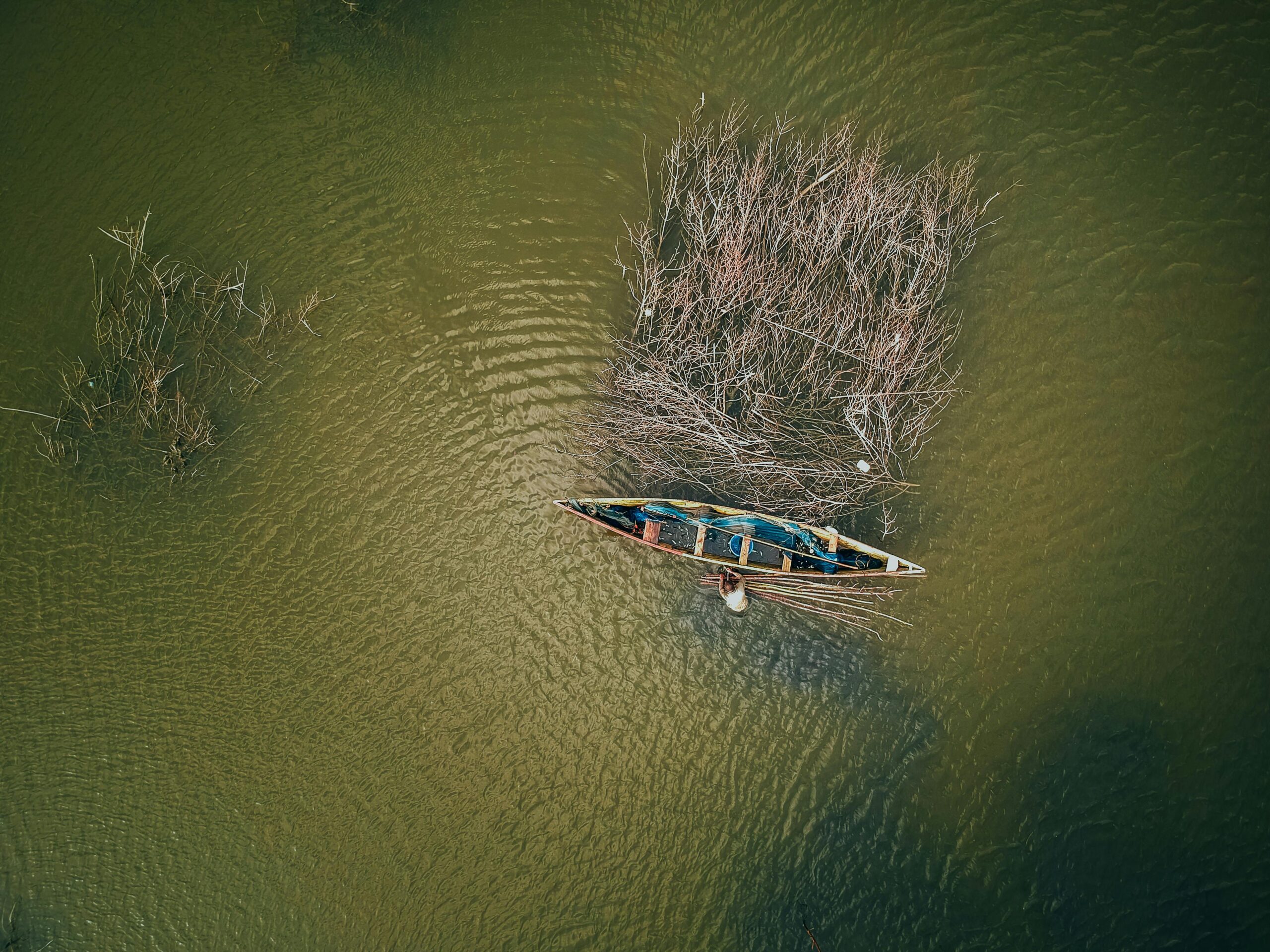
The Ghana and Nigeria Case Study focuses on marine sustainability and food security challenges facing coastal communities in West Africa’s Gulf of Guinea. In this area, depleting fish stocks have significantly impacted per-capita fish consumption and the livelihoods of people living there. The overview outlines how complex drivers, such as illegal, unreported, and unregulated (IUU) fishing, destructive fishing practices, inadequate fisheries management, and climate-related impacts, are undermining ecosystems and economic resilience in Ghana and Nigeria’s fisheries sectors. The article also describes how the Solving-FCB team is working with local researchers and stakeholders to better understand these dynamics and co-develop policies that help support food security, biodiversity and climate change adaptation in the region.
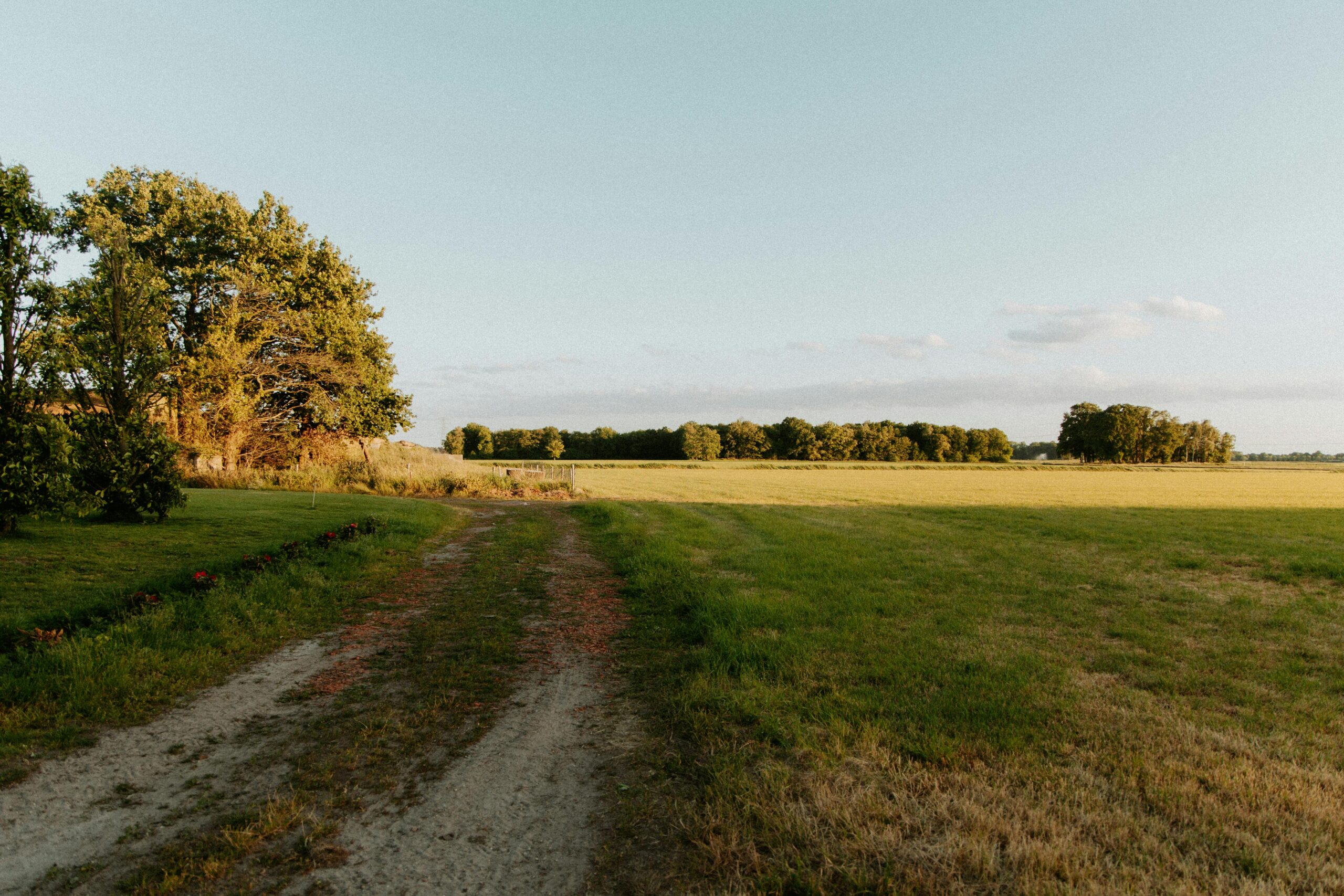
The Netherlands Case Study explores how the Netherlands and Northwestern Europe are confronting intertwined environmental and food system challenges. These range from climate change impacts on land and sea to biodiversity loss and pressures from agriculture and urbanization. This article highlights national efforts to advance circular and “nature-inclusive” food systems that reduce environmental harm, support resilient agriculture, and integrate food, climate, and biodiversity goals through integrated scenarios. By examining sustainable policy options like circular farming and resilient land-sea models, the study aims to inform broader strategies that could be scaled across North


