Solving FCB Case Studies

Starting in September 2023, I worked for Solving FCB as a work learn student up until the end of April 2024. This was right before I graduated from the UBC Bachelor of Arts (music major) program. I had a wonderful experience working in this role as a Communications Assistant and Content Specialist.

During this time, the program was quite new and I assisted with writing some case study overviews in addition to some news articles. Here are three case studies that I wrote overviews for along with Duncan Burnside, the Data Manager for this program and the lead researchers.
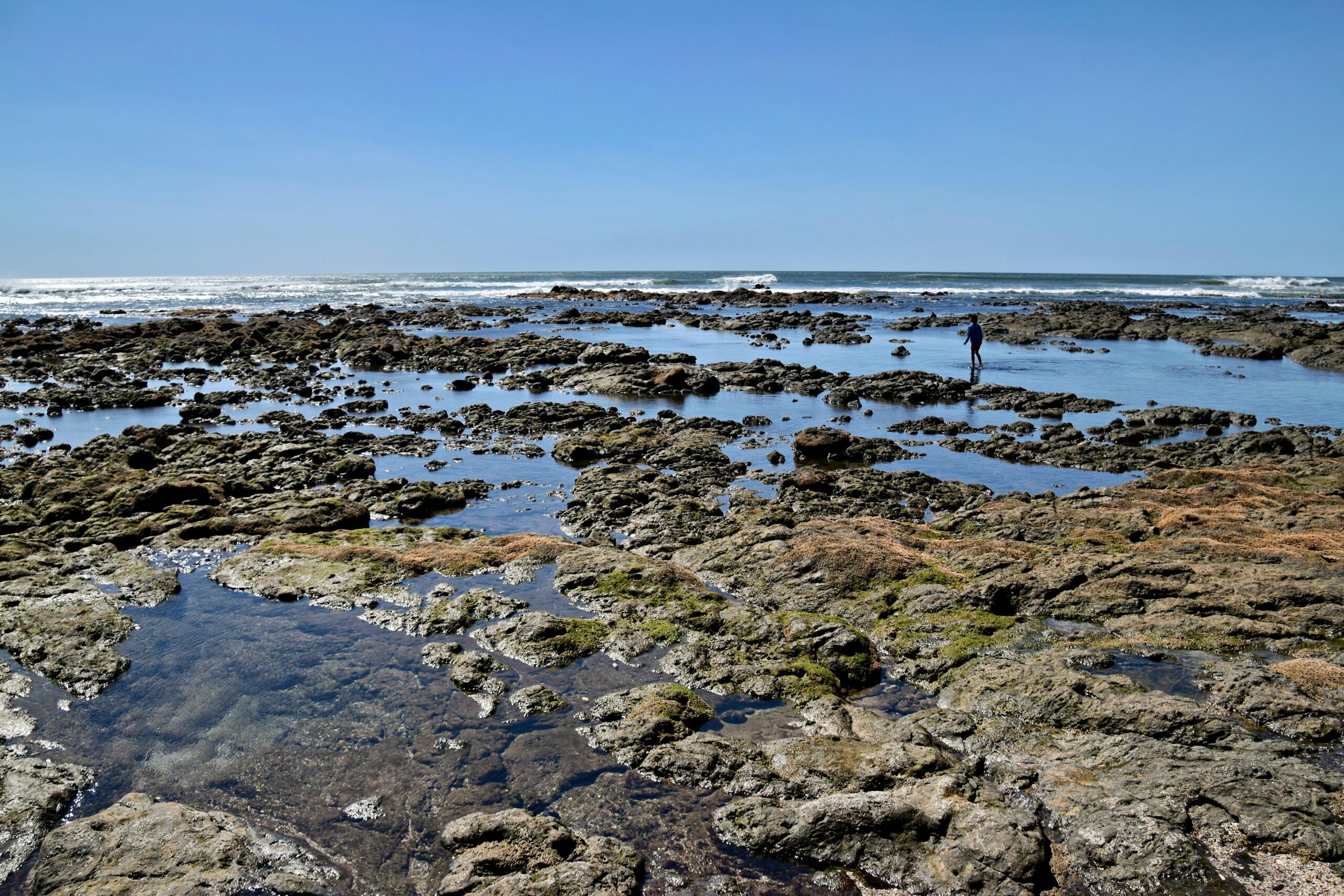
Costa Rica

https://www.pexels.com/photo/rocky-coastline-and-sea-16037118/

The Costa Rica Case Study examines critical environmental and socio-economic challenges facing the Gulf of Nicoya, where nutrient pollution from agricultural runoff has led to large algae blooms, coastal hypoxia (dead zones), and declining fish stocks. These factors have come together to threaten local small-scale fisheries and the food security for thousands of artisanal fishers and their families. This article explains how fertilizer-driven oxygen depletion and climate-induced changes in fish behaviour are impacting marine ecosystems. It also describes how an interdisciplinary research team from the University of Costa Rica is partnering with communities to co-develop future scenarios, models, and policy options to support sustainable fisheries and ecosystem resilience.

western Europe to balance ecological health with food production.
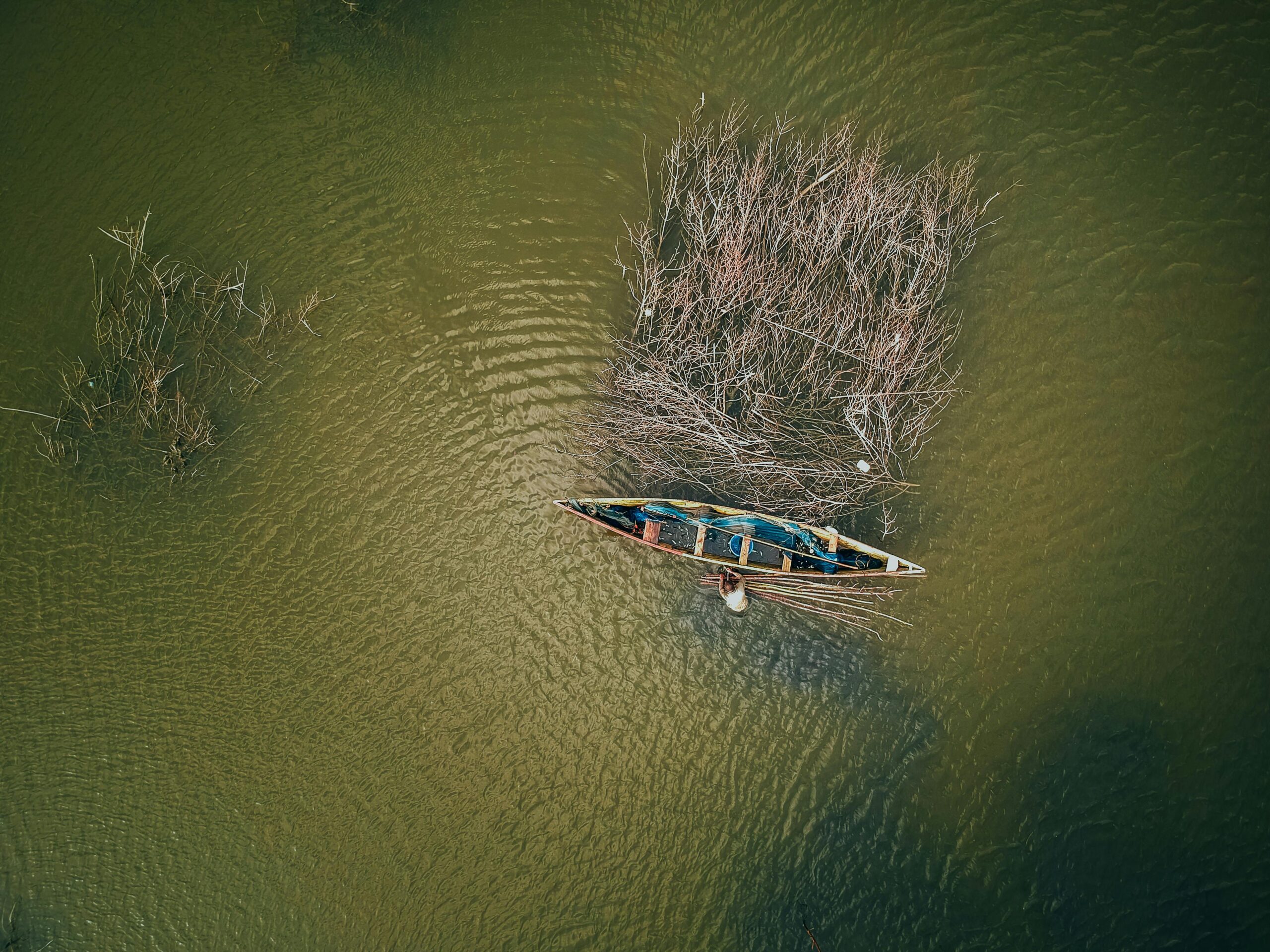
Ghana and Nigeria

https://www.pexels.com/photo/wooden-boat-on-a-lake-2787767/

The Ghana and Nigeria Case Study focuses on marine sustainability and food security challenges facing coastal communities in West Africa’s Gulf of Guinea. In this area, depleting fish stocks have significantly impacted per-capita fish consumption and the livelihoods of people living there. The overview outlines how complex drivers, such as illegal, unreported, and unregulated (IUU) fishing, destructive fishing practices, inadequate fisheries management, and climate-related impacts, are undermining ecosystems and economic resilience in Ghana and Nigeria’s fisheries sectors. The article also describes how the Solving-FCB team is working with local researchers and stakeholders to better understand these dynamics and co-develop policies that help support food security, biodiversity and climate change adaptation in the region.
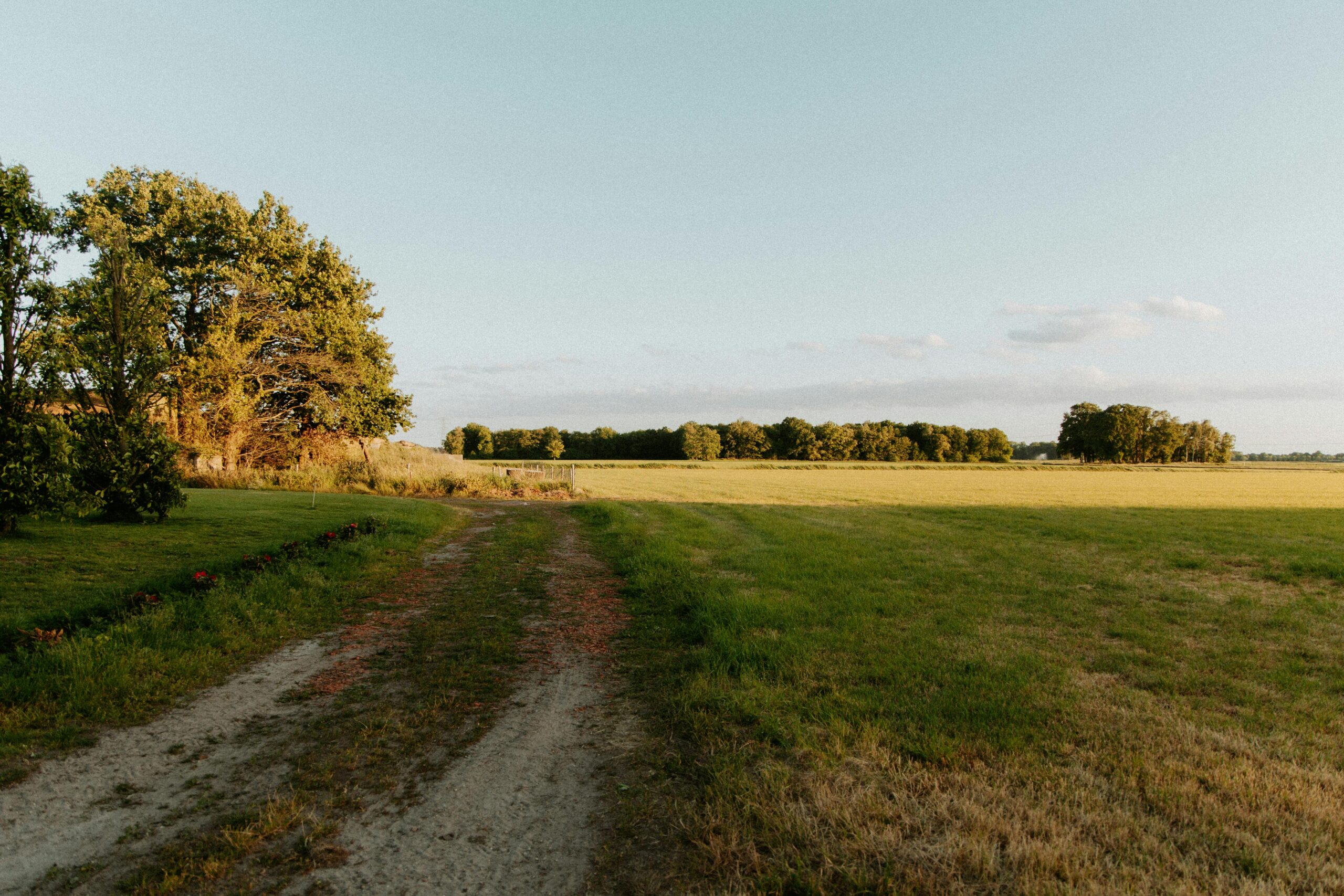
The Netherlands

https://www.pexels.com/photo/serene-countryside-path-at-golden-hour-32593447/

The Netherlands Case Study explores how the Netherlands and Northwestern Europe are confronting intertwined environmental and food system challenges. These range from climate change impacts on land and sea to biodiversity loss and pressures from agriculture and urbanization. This article highlights national efforts to advance circular and “nature-inclusive” food systems that reduce environmental harm, support resilient agriculture, and integrate food, climate, and biodiversity goals through integrated scenarios. By examining sustainable policy options like circular farming and resilient land-sea models, the study aims to inform broader strategies that could be scaled across North

Flipbook Project and other Blog Postings 2021 and 2022

Photo credit: https://www.pinterest.fr/pin/555631672775540565/

Please take a look here at my recent projects and showcases. The Flipbook was a team project, completed for the Scarfe Digital Sandbox. Other science blog postings were written for both the UBC Faculties of Applied Science and Education.

Flipbook Project Showcase – by the Project Team 2021

Click below to check out the Scarfe Sandbox Flipbook:

https://online.fliphtml5.com/xgpvc/ygvv/#p=1

Geering Up’s People-focused Workshops 2022

An overview of the UBC Faculty of Applied Science’s Geering Up program – taking a look at their people focused workshops and initiatives.

https://apsc.ubc.ca/news/2022/geering-ups-people-focused-workshops

Storytelling for STEM Subjects – by Jacqueline 2021

This post explains the concept of teaching science and tech by using storytelling methods. Some relevant examples are also discussed, including the First People’s Principles of Learning.

https://scarfedigitalsandbox.teach.educ.ubc.ca/storytelling-for-stem-subjects/

Honing Pattern Recognition Skills through Dance – by Jacqueline 2021

Another resource post that demonstrates and explains the concept of pattern recognition through learning dance steps. Pattern recognition is useful in mathematics, computer science, scientific discovery and research – and more specifically in biogeography and evolutionary biology. 

https://scarfedigitalsandbox.teach.educ.ubc.ca/honing-%e2%80%afpattern-%e2%80%afrecognition-%e2%80%afskills-through-%e2%80%afdance/

Find me on Twitter / X: @jacbird

Original Compositions Playlist

A different kind of writing…

I have been busy doing a different kind of writing recently, among some other projects that involved writing resource industry training documents. Please check out my latest music compositions that I have been working on. This is a little different than science and technical writing, but it still falls within the writing domain (although a tad more on the creative end of the spectrum). Click on the link below to check out my recordings.

Jacquie’s Composition Playlist

Find me on Twitter / X: @jacbird

Google search: Native Ocean Tumblr

Big Tree Trail on Meares Island

Tofino is known for its great surfing beaches and community, but there are also some fabulous places to hike. One such place is the Big Tree Trail located on Meares Island about half a kilometre across the water from Tofino. This trail features some of the largest and oldest Western red cedar trees in the world with widths up to 20 feet.

Photo by Jacquie Boivin

Boat taxi trip from Tofino to Meares Island

Meares island is a tribal park of the Tla-o-qui-aht First Nations and got its name in 1862 from George Henry Richards, captain of the HMS Hecate, in honor of John Meares. This island was blockaded to prevent logging by the MacMillan Bloedel company in 1984. As a result of this protest, the Big Tree trail was created with a board walk for the first 1.2 km of the trail. Continue reading